

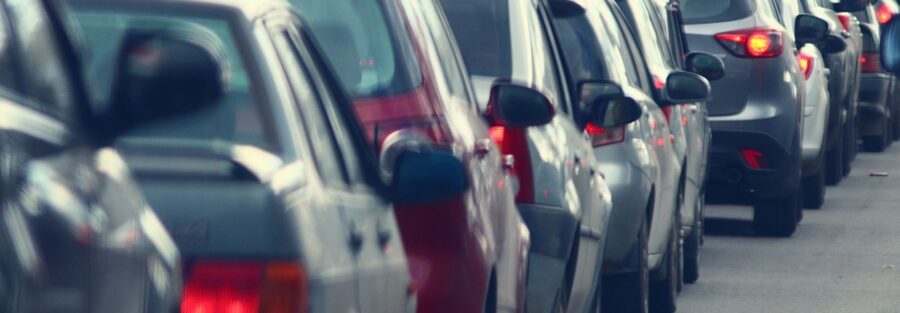
Getting through those traffic snarls, chaotic roundabouts, and unexpected delays with minimal frustration relies more on your attitude and behavior than any fancy tech.
Automakers might be inventing new safety features, but on Zimbabwean roads—where accidents, sudden potholes, unexpected police checkpoints, and vendor activity can pop up—you will inevitably face delays and hairy situations. Getting through these with a calm mind and your vehicle intact is often down to common sense and good road manners.
“You need to understand what you can control and what you cannot control,” says driver safety wisdom. “There are six factors that affect driving: the road (potholes, gravel, unexpected dips), the weather (intense sun, heavy rains), the traffic (kombis, cyclists, pedestrians), the time of day, the vehicle, and the driver. Guess which of these you have the most control over? It’s you, the driver.“
With that in mind, here are some steps you can take to stay safe on the road in Zimbabwe:
1. Allow Space for Merging (Especially at Busy Intersections)
When approaching a congested roundabout or a major turn-off (like the Mbudzi Interchange area, for example), many vehicles need to shift lanes. What causes chaos? Drivers who are unwilling to let others in.
- Be a good citizen: Kindly leave enough space between you and the car in front to signal to others that it’s acceptable and safe to merge into your lane.
- Acknowledge and proceed: If someone lets you in, a quick wave of thanks goes a long way. This spirit of cooperation is essential for keeping traffic flowing. Don’t be the driver who blocks the flow just to gain two meters.
2. Avoid Excessive “Kombi-Style” Lane Jumping
While it’s tempting to think the next lane is faster, drivers who incessantly shift from one line of vehicles to another only increase congestion and risk accidents. This behavior is typical of some kombi (public transport) drivers who dart in and out, forcing others to brake suddenly.
- Be strategic, not reckless: You want to focus on the path of least resistance. This means choosing the path that lets you see ahead and move steadily.
- Patience pays: Constantly chopping and changing lanes doesn’t usually save time. Choose a lane and stick with it—it’s safer, less stressful, and contributes less to the overall gridlock.
3. Chill Out and Practice Defensive Driving
Keep in mind that traffic, delays, unexpected roadblocks, or a police stop happens, and there’s very little you can do about it. Cursing, fuming, and excessive honking will only elevate your stress levels and can escalate a situation unnecessarily.
- Keep your distance: Always leave a generous following distance (the two-second rule is a minimum) to account for sudden stops, errant pedestrians, or vehicles braking for potholes.
- Expect the unexpected: Assume that the kombi will stop abruptly, the cyclist will wobble, and the pedestrian will cross without looking. Defensive driving is key to avoiding accidents in a chaotic environment.
- Maintain your perspective: Remember that you’re not the only one late, and your need to rush is no more important than the safety of yourself and others around you. Be patient, be safe, and you’ll get there.